Column · @usedmazdainteriorpartshouse
Finding Quality Used Mazda Interior Parts for Your Rotary Project
If you have spent any time around a rotary-powered Mazda, you know the engine gets all the attention. The 1.3-litre twin-rotor in an RX-7 or RX-8 is a mechanical marvel, and owners will talk for hours about intake ports, rotor housings, and apex seals. But when you actually build or restore one of these cars, the interior often becomes the biggest headache. A worn-out dashboard, a cracked centre console, or a missing switch can stop a project cold. That is where used Mazda interior parts come in. They are not glamorous, but they are absolutely essential to bringing a car back to life.
I have been through this process more times than I can count. Every time I strip a dismantled Mazda at a wrecker, I find myself paying extra attention to the cabin. The exterior might be rough, but the interior pieces are often in better shape than you would expect. That is because Japanese cars from the 80s and 90s were built with surprisingly durable plastics and fabrics, provided they were kept out of direct sun. The trick is knowing where to look and what to grab.
Why Used Interior Parts Matter for Rotary Enthusiasts
When you are building an RX-7 or RX-8, the aftermarket parts scene is strong for performance upgrades. You can buy new turbos, intercoolers, and suspension components without much trouble. But interior trim is a different story. Most manufacturers stopped producing those plastic mouldings and fabric panels years ago. Once a part is gone from the supply chain, your only option is to find a good used one. That is where automotive recycling and vehicle salvage yards become invaluable. A specialist Mazda wrecker like Just Rotaries in Melbourne keeps a steady flow of used Mazda interior parts pulled from cars that have been written off or parted out. These items are not just cheap alternatives to new OEM parts; often they are the only alternatives.
I remember helping a friend source a complete centre console for a 1993 RX-7. The original had been cracked by a previous owner who had tried to pry off the trim ring around the gearstick. New old stock pieces were listed online for hundreds of dollars, if you could find them at all. We called a few general wreckers and got nowhere. Then we contacted a local supplier that specialises in rotary cars. They had three dismantled Mazdas in the yard and pulled a perfect console from one of them. The cost was a fraction of what we had been quoted elsewhere, and the part matched the original colour and texture exactly. That experience taught me that used Mazda interior parts are not just a budget option; they are the smart choice for anyone who wants to keep a car authentic.
What to Look for When Buying Used Interior Parts
Not all used parts are created equal. When you are searching for interior components from dismantled Mazdas, you need to develop an eye for condition. Plastic trim pieces from the 80s and 90s can become brittle over time, especially if the car was stored in a hot garage or exposed to UV through a rear window. The same goes for foam in seats and padding in door cards. A part that looks fine in a photo might crack the first time you try to install it. That is why buying from a specialist wrecker who knows rotary engines and Mazda models is so important. They have already inspected the parts and know which ones are still serviceable.
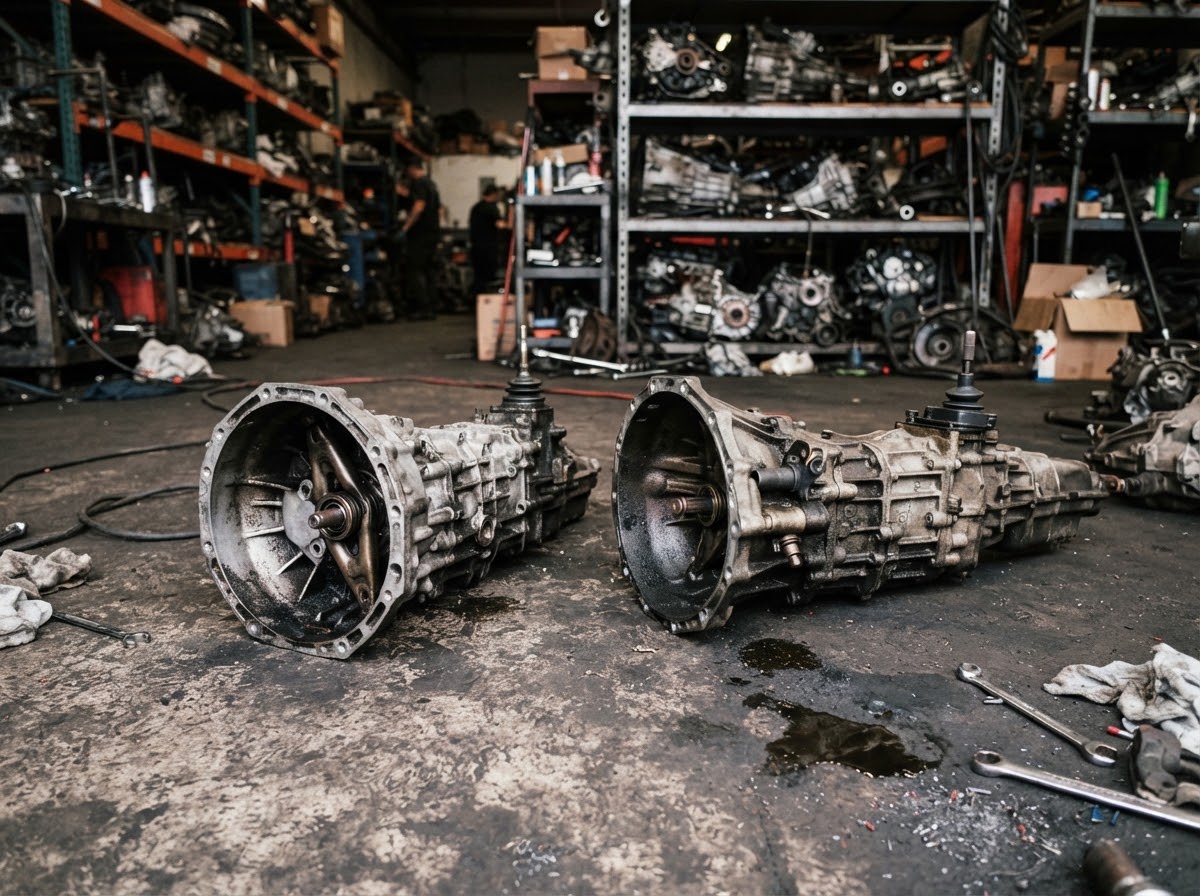
Here are a few things I always check before buying used Mazda interior parts:
- Clip condition: Many trim pieces attach with plastic clips that snap into metal frames. If those clips are broken, the part will not stay in place. Look at the back of the piece, not just the front face.
- Sun damage: Fading is obvious, but sun can also make plastic brittle. Check for discolouration that suggests the part spent years in direct light.
- Wear patterns: A driver’s seat will always wear faster than a passenger seat. If you can, grab a passenger-side part even if it is a slightly different colour; you can often dye or paint it to match.
- Smell: Cigarette smoke and mildew can become trapped in foam and fabric. If a part smells bad, it will be very hard to clean.
- Fitment: Mazda made subtle changes within the same model year. A switch panel from a 1989 RX-7 might not fit a 1991, even though they look identical. Always confirm part numbers or dimensions.
These checks sound basic, but I have seen people buy pieces online only to find they are useless. A local supplier who can show you the actual part or send detailed photos makes all the difference. Just Rotaries, for example, keeps a detailed inventory of every part they pull from a vehicle. They know exactly which car it came from and whether it is still available. That kind of knowledge comes from years of working with rotary-powered vehicles and understanding what enthusiasts actually need.
The Role of the Wrecker in the Rotary Community
The word "wrecker" can sound negative, but in the automotive world, it is a vital part of the ecosystem. Without vehicle salvage yards, thousands of classic cars would be lost forever. When a car is damaged beyond economical repair, the wrecker strips it for spare parts. Those parts go on to keep other cars on the road. For a niche community like rotary enthusiasts, this is even more critical. The rotary engine was not produced in huge numbers, and the cars that carry it were never mass-market items. Every time a Mazda RX-7 or RX-8 reaches the end of its life, its usable parts become a lifeline for the rest of the fleet.
I have seen this first-hand at rotary club meetups. One member will mention they need a specific interior panel, and another will say they saw one at a wrecker last week. That kind of informal network is how many of us find rare parts. But the most reliable source is always a dedicated Mazda specialist. They have the models, the expertise, and the stock. They are also more likely to have reconditioned engines and engine swap components, which are the core of any rotary project. But they also keep the mundane items, the things you do not think about until you are staring at an empty hole in your dashboard.
Balancing Cost and Authenticity
One question that comes up often is whether to buy used Mazda interior parts or go for aftermarket parts. Aftermarket parts are sometimes cheaper and more available, but they rarely match the original look and feel. A reproduction switch might have a slightly different texture or a mould line that gives it away. For a daily driver, that might not matter. For a restoration or a car that will be shown at meets, authenticity matters. Used OEM parts from dismantled Mazdas are the only way to keep the car looking factory correct.

There is also the environmental angle. Automotive recycling reduces waste and keeps plastic and metal out of landfills. Every time you buy a used part instead of a new one, you are extending the life of the original materials. That aligns with the ethos of the rotary community, which is built around keeping old cars running rather than scrapping them. Using used Mazda interior parts is a practical way to support that philosophy without spending a fortune.
Practical Advice for Your Next Project
If you are planning an engine swap or a full restoration of an RX-7 or RX-8, start collecting interior parts early. Do not wait until the car is stripped down. Good condition used parts disappear quickly, especially from popular models. Call around to wreckers that handle Japanese cars and ask specifically about Mazda models. A specialist like Just Rotaries in Melbourne will have a wider range and better knowledge than a general yard. They can also tell you whether a part is likely to fit your specific model, saving you the frustration of ordering something that does not work.
Another tip: buy complete assemblies when you can. A full dashboard from a dismantled Mazda will cost more than a single trim piece, but it guarantees that all the clips, wiring, and sub-assemblies are present. Trying to piece together a dashboard from multiple sources often leads to mismatches in colour and wear. A complete unit from one car is easier to install and looks more cohesive.
Finally, do not overlook the small stuff. Screws, clips, and plastic covers are the first things to get lost when a car is stripped. A wrecker that keeps these small parts organised is worth its weight in gold. I have spent hours hunting for a single screw that holds the gearstick boot in place. Having a local supplier who stocks that kind of hardware saves you time and keeps your project moving.
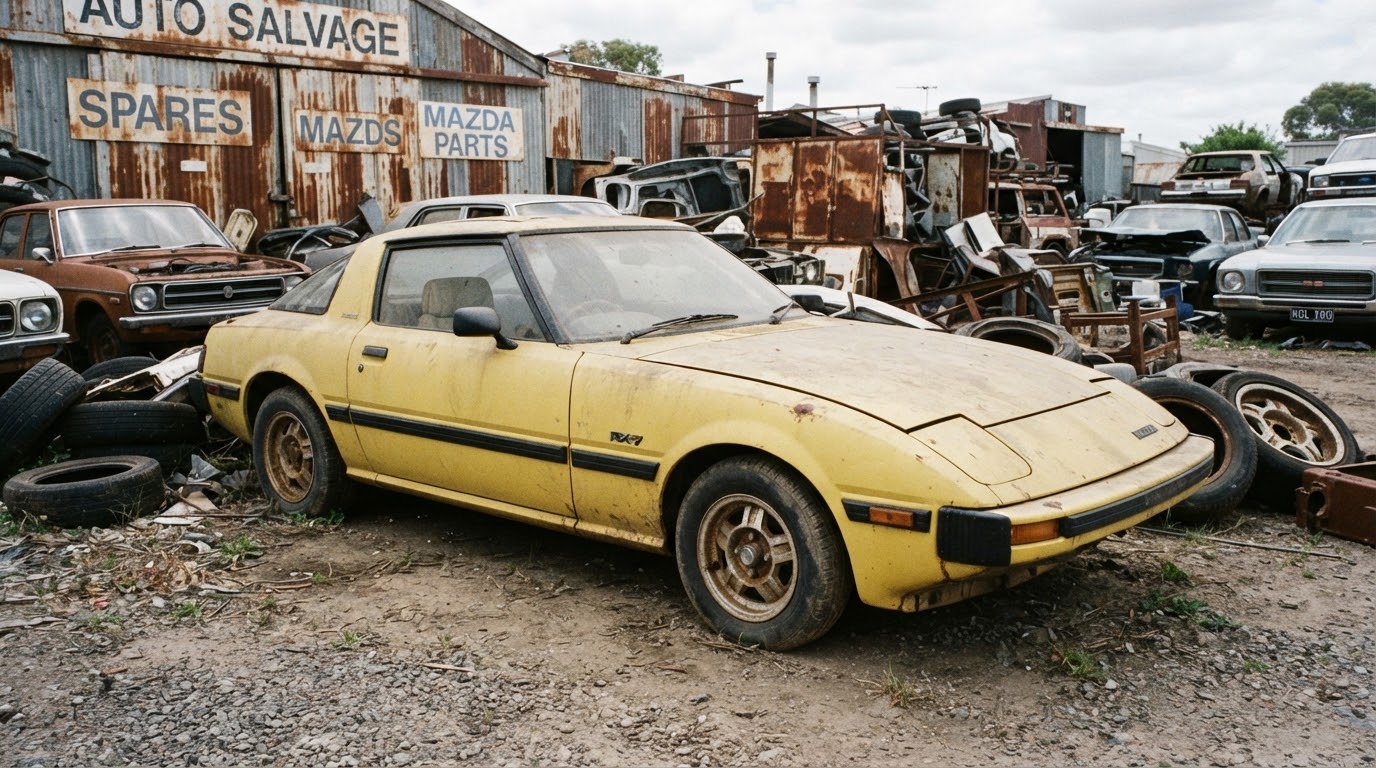
Used Mazda interior parts are not the flashiest part of a build, but they are the foundation that holds everything together. Whether you are restoring an RX-7, maintaining an RX-8, or doing an engine swap into another chassis, the condition of your interior defines the driving experience. A car with a tired cabin feels old, no matter how fresh the rotary engine sounds. By sourcing quality used parts from a reputable wrecker, you can bring that interior back to a standard that matches the mechanical side of the car.
In the end, it is about respect for the machine. These cars were designed with care, and they deserve to be kept intact. Using used Mazda interior parts is not a compromise. It is a way of honouring the original engineering while keeping a classic car on the road for another decade. That is something every rotary enthusiast can get behind.